

Scam alert: Ads or websites claiming Medsafe approval are fake. Medsafe does not endorse products. Go to medsafe.govt.nz for official information.
Sounds like 'ten-ox-ih-kam'
Key points about tenoxicam
- Tenoxicam is an anti-inflammatory used to treat pain and inflammation.
- Tenoxicam is also called Tilcotil®.
- Find out how to take it safely and possible side effects.
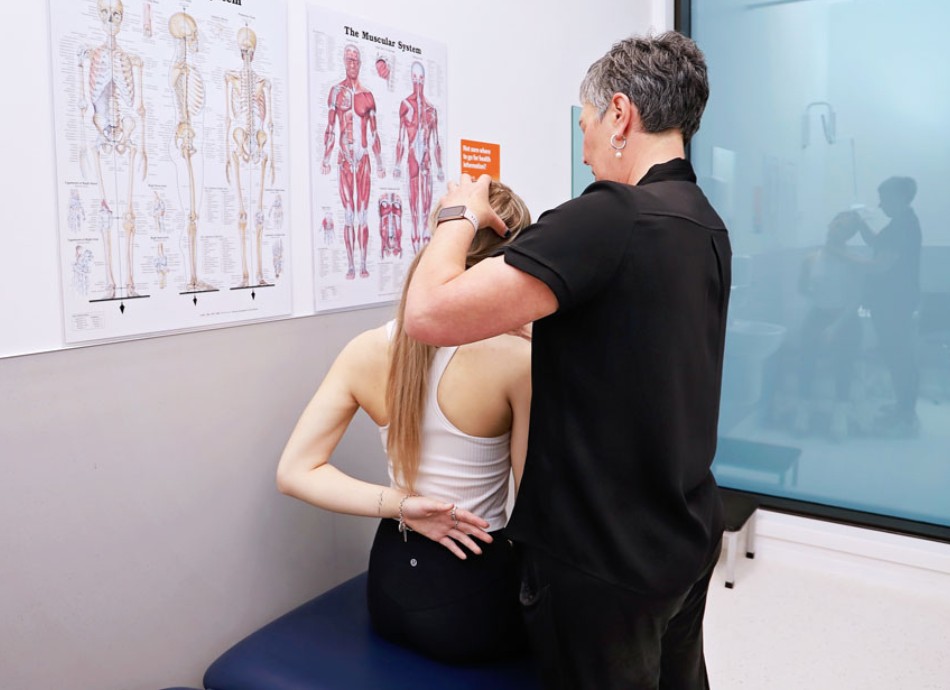
Tenoxicam is one of a group of medicines known as non-steroidal anti-inflammatory drugs (NSAIDs). Tenoxicam is used to treat different types of pain such as pain from gout, osteoarthritis, rheumatoid arthritis, painful periods and pain after surgery.
Read more about pain.
In Aotearoa New Zealand, tenoxicam comes as tablets (20 mg) and as an injection.
- The usual dose of tenoxicam is 1 or 2 tablets once a day.
- If you are using tenoxicam for painful menstrual periods, take your first dose as soon as your period starts or pain begins until the pain eases.
- Always take your tenoxicam exactly as your healthcare provider has told you. The pharmacy label on your medicine will tell you how much to take, how often to take it and any special instructions.
- Take tenoxicam with food or immediately after food, to prevent stomach upset.
- Swallow the tablets whole, don't crush or chew them.
- Take it with a full glass of water.
- Missed dose: If you forget to take a dose, take it when you next need pain relief and then continue as before. Don't take 2 doses together to make up for a forgotten dose.
Taking tenoxicam with other pain medicines
Don't take other anti-inflammatory medicines such as diclofenac, ibuprofen or naproxen while taking tenoxicam. This can increase your risk of side effects.
It's safe to take tenoxicam with paracetamol because they work differently.
Taking tenoxicam with blood pressure medicines
Tenoxicam interacts with some medicines, especially those used for high blood pressure, so check with your healthcare provider or pharmacist before you start taking tenoxicam.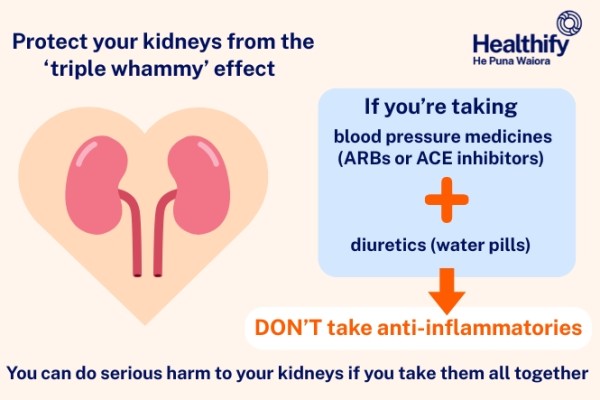
Image credit: Healthify He Puna Waiora
Taking NSAIDs together with blood pressure medicines can be harmful to your kidneys. This is called the ‘triple whammy’. If you're taking blood pressure medicines (ACE inhibitors or ARBs) and diuretics tell your healthcare provider or pharmacist before starting tenoxicam. Talk to them about safe pain-relief options for you.
- Examples of ACE inhibitors are captopril, cilazapril, enalapril, lisinopril, perindopril and quinapril.
- Examples of ARBs are candesartan, irbesartan and losartan.
- Examples of diuretics are furosemide, bumetanide, bendroflumethiazide, chlortalidone, hydrochlorothiazide, indapamide, spironolactone, eplerenone and metolazone.
Read more about the triple whammy.(external link)
Here are some other things to know when you're taking tenoxicam.
- If you’re not well: It can be harmful to take tenoxicam when you’re dehydrated or have been sick with diarrhoea (runny poo) or vomiting (being sick). Read more about the risks of NSAIDs(external link).
- Alcohol: tenoxicam doesn't directly interact with alcohol. This means that most people could have the occasional drink while taking it without any serious problems. However, if celecoxib makes you feel dizzy or gives you a sore stomach, don't drink alcohol as it will make you feel worse.
- Driving: tenoxicam can make you feel dizzy. Be careful when driving or using tools until you know how this medicine affects you.
- Pregnancy or breastfeeding: Talk to your healthcare provider if you're pregnant, planning a pregnancy or want to breastfeed.
| Side effects | What should I do? |
|---|---|
|
|
|
|
|
|
|
|
|
|
Read more about medicines and side effects and reporting a reaction you think might be a side effect.
The following links provide further information on tenoxicam.
Tilcotil(external link) Medsafe Consumer Medicine Information, NZ
Tenoxicam(external link) New Zealand Formulary Patient Information
Brochures
Medicines and side effects(external link) Healthify He Puna Waiora, NZ, 2024
5 questions to ask about your medications(external link) Health Quality and Safety Commission, NZ, 2019 English(external link), te reo Māori(external link)
References
- Tenoxicam(external link) New Zealand Formulary
Brochures
Medicines and side effects
Healthify He Puna Waiora, NZ, 2024

Health Quality and Safety Commission, NZ, 2019 English, te reo Māori
Free helplines


Credits: Healthify editorial team. Healthify is brought to you by Health Navigator Charitable Trust.
Reviewed by: Stephanie Yee, Pharmacist, Auckland.
Last reviewed: