

Scam alert: Ads or websites claiming Medsafe approval are fake. Medsafe does not endorse products. Go to medsafe.govt.nz for official information.
Enalapril
Sounds like 'en-al-ah-pril'
Key points about enalapril
- Enalapril is used to treat high blood pressure and heart failure and to prevent kidney problems in people with diabetes.
- Enalapril is also called Acetec.
- Find out how to take it safely and possible side effects.

Enalapril has many different effects on your body, so is used to treat a range of conditions. It belongs to a group of medicines called ACE inhibitors.
Enalapril may be used for the following conditions:
- High blood pressure – by relaxing and widening your blood vessels it lowers your blood pressure.
- Heart failure – to help your heart pump blood more easily. This can help to relieve symptoms such as shortness of breath and swelling in your feet, legs and abdomen (tummy).
- Diabetic kidney disease (diabetic nephropathy) – to protect your kidneys and help them to function.
Enalapril can work quickly for hypertension (high blood pressure). If you have heart failure it may be a few weeks before you notice an improvement in your symptoms.
In Aotearoa New Zealand enalapril is available as tablets (5 mg, 10 mg and 20 mg).
- The dose of enalapril will be different for different people depending on your condition.
- Your doctor will usually start you on a low dose so it doesn't make you feel dizzy. Your dose will be increased slowly over a few weeks depending on how you respond. This allows your body to get used to the medicine and reduces side effects.
- Always take your enalapril exactly as your doctor has told you. The pharmacy label on your medicine will tell you how much to take, how often to take it and any special instructions.
- Check with your pharmacist if your tablets are different to what you expect.
My dose
You can use the table below to keep track of dose changes when you start taking enalapril.
| Date | Dose |
| Notes: |
|
- Timing: Enalapril is usually taken once a day but some people may take their doses two times a day. Take your enalapril dose at the same time each day. You can take enalapril with or without food.
- Limit or avoid alcohol while you are taking enalapril. Alcohol can increase your chance of side effects such as dizziness and light-headedness.
- Missed dose: If you forget to take your dose, take it as soon as you remember. But if it is nearly time for your next dose, just take the next dose at the right time. Do not take double the dose.
Enalapril is not suitable if you are pregnant or planning a pregnancy. It is also not suitable if you have had a severe allergic reaction to an ACE inhibitor in the past, eg, swelling of your lips, eyes or tongue (called angioedema). Read more about who cannot take ACE inhibitors. If you are already taking diuretics (water pills), your doctor will monitor you very closely when you first start taking enalapril.
Here are some things to know when you're taking enalapril. Other things may be important as well, so ask your healthcare provider what you should know about.
Monitoring
Your doctor will arrange for you to have blood tests and blood pressure checks before you start taking enalapril and during your treatment, especially when you first start taking it. This is to check how it is working and to check your kidneys and potassium levels.
Have a sick day plan
If you have diarrhoea (runny poo) or are vomiting (being sick) from a stomach bug, or are dehydrated from another illness, it’s important to let your healthcare provider know, as they may advise you to stop taking your enalapril for a few days, or decrease the dose and start again when you feel better.
Be careful when taking some pain relief medicines
ACE inhibitors can be used to protect your kidneys from damage if you have diabetes. However, if you are taking enalapril and diuretics (water pills), the combination of these with NSAIDs (anti-inflammatory pain relief medicines) can be very harmful to your kidneys. It can cause acute kidney injury. This combination is called the ‘dangerous trio’ or ‘triple whammy’. You have a higher risk of harm to your kidneys if you are also an older adult (over 65 years) or are dehydrated.
If you are taking an ACE inhibitor with a diuretic, do not use NSAIDs for pain relief. Ask your doctor or pharmacist for a safer option. Read more about NSAIDs and protecting your kidneys.
| Examples of diuretics | Examples of NSAIDs |
|
|
Are you pregnant or planning a pregnancy?
Tell your doctor if you become pregnant or are planning a pregnancy while you are taking enalapril.
Like all medicines enalapril can cause side effects, although not everyone gets them. Often side effects improve as your body gets used to the new medicine.
| Side effects | What should I do? |
|---|---|
|
|
|
|
|
|
|
|
|
|
|
|
| Read more about medicines and side effects and reporting a reaction you think might be a side effect. | |
The following links provide more information on enalapril.
Enalapril(external link) (te reo Māori(external link)) NZ Formulary Patient Information
Acetec(external link), Renitec(external link) Medsafe Consumer Information, NZ
References
- Enalapril(external link) New Zealand Formulary
Brochures
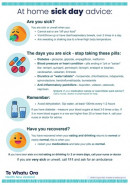
At home sick day advice
Health New Zealand | Te Whatu Ora, 2023
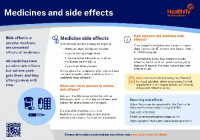
Medicines and side effects
Healthify He Puna Waiora, NZ, 2024

Health Quality and Safety Commission, NZ, 2019 English, te reo Māori
Free helplines

Credits: Sandra Ponen, Pharmacist, Healthify He Puna Waiora. Healthify is brought to you by Health Navigator Charitable Trust.
Reviewed by: Angela Lambie, Pharmacist, Auckland
Last reviewed:
Page last updated: